Your standard is the reference. The calculation is where it gets applied.
Engineers apply your standards under deadline pressure, inside calculation tools no standards body has visibility into. Calcs.com embeds official standards directly in those calculations - with full traceability to the source, and no interpretation in between.
The gap between published and applied
Your standards are authoritative. What happens after publication is harder to control.
Separated from the work
Engineers switch between PDFs and calculation tools mid-task. Requirements get missed and interpretation varies under deadline pressure.
No visibility into application
You publish requirements but have no way to see where they are applied correctly, misunderstood, or worked around in practice.
At risk of being bypassed
Engineers are already uploading official PDFs into general-purpose AI tools to get faster answers. Software vendors are reverse-engineering standards into open-source code libraries. None of it traces back to the authoritative source.
Infrastructure, not interpretation
Calcs.com carries your standard into the calculations engineers already use - intact, traceable, and governed by you. Nothing is rewritten. Nothing is approximated.
How Calcs.com embeds standards in real work
Calcs.com carries your standard into the calculations engineers already use - intact, traceable, and governed by you.
01
Bring your standard into the workflow
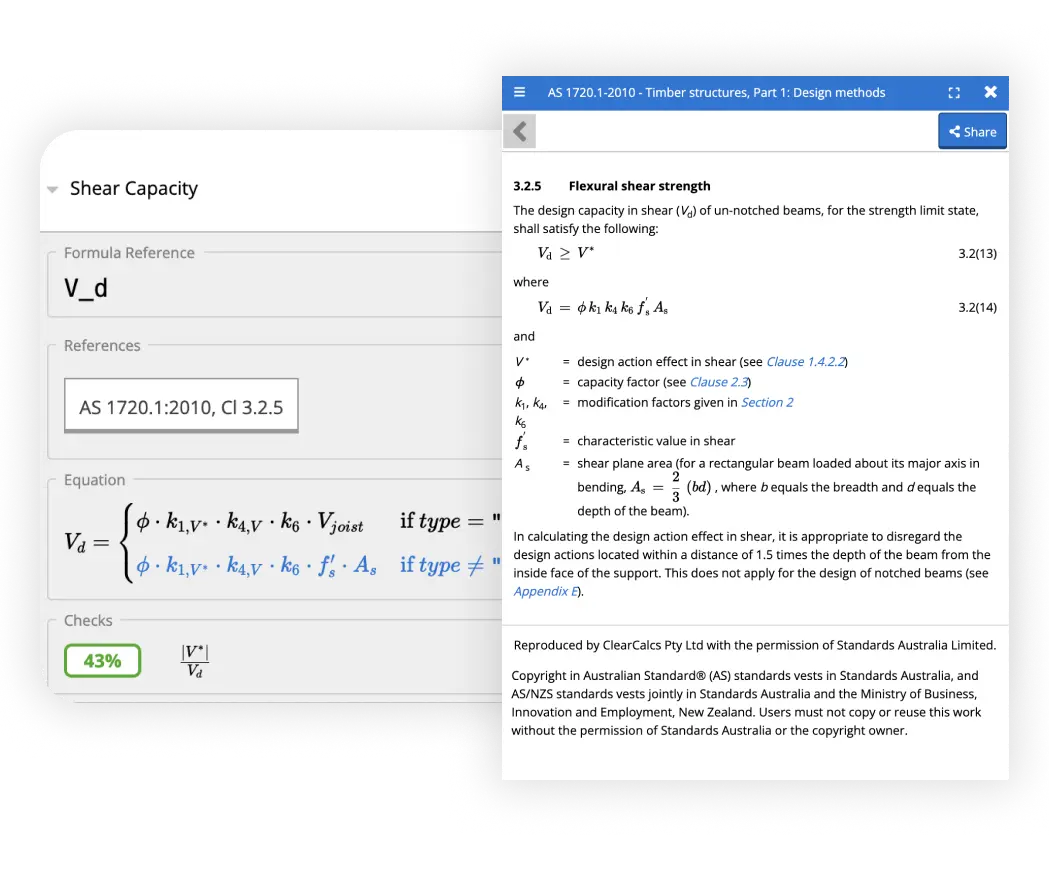
Official standards content is embedded inside engineering calculations, clause by clause, at the moment decisions are made. Linked to the authoritative source - not a summary or paraphrase. Scope, versioning, and presentation stay under your control.
- Authoritative. Official clauses are cited in context, inside working calculations
- Traceable. Every calculation links back to the source standard, clause by clause
- Governed by you. Scope, versioning, and presentation stay under your control. Standards bodies set the terms.
02
Turn requirements into governed calculators
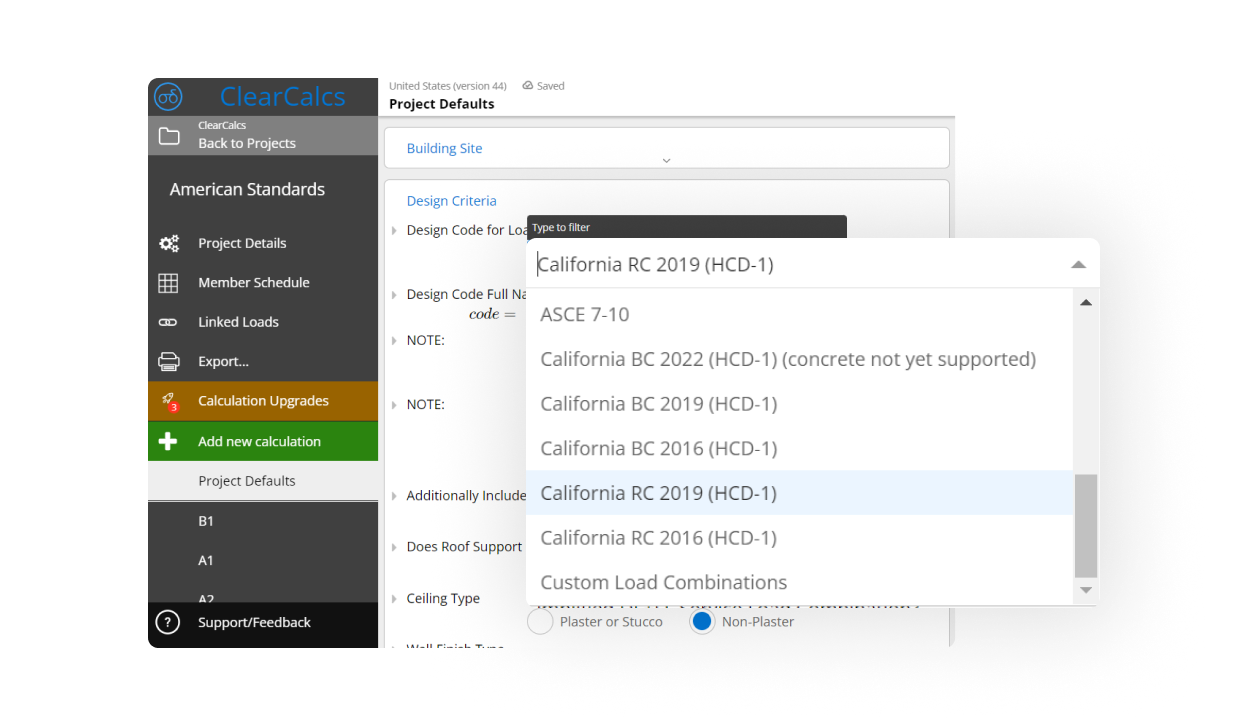
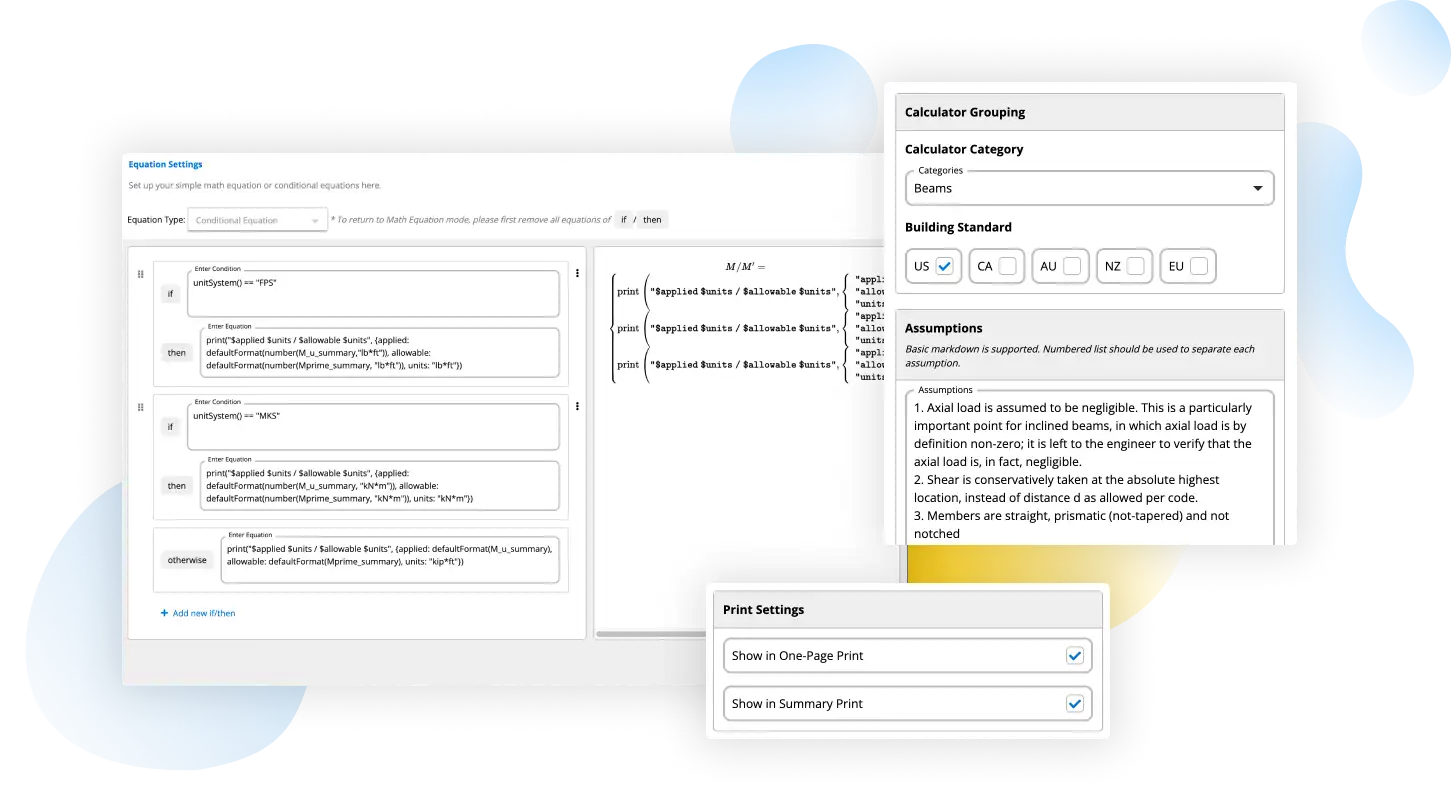
Calcs.com works with standards bodies to build calculators that apply codes correctly. Every step is visible and auditable. Logic is inspectable before the engineer relies on the result.
- Visible logic. Every step shows which clause applies and why
- Usage visibility. Aggregated, anonymized data shows where your standard is used and where engineers encounter friction
- Reduced bypass risk. Making the official standard the most accessible path reinforces its authority in real projects
Case study
The International Code Council (ICC)
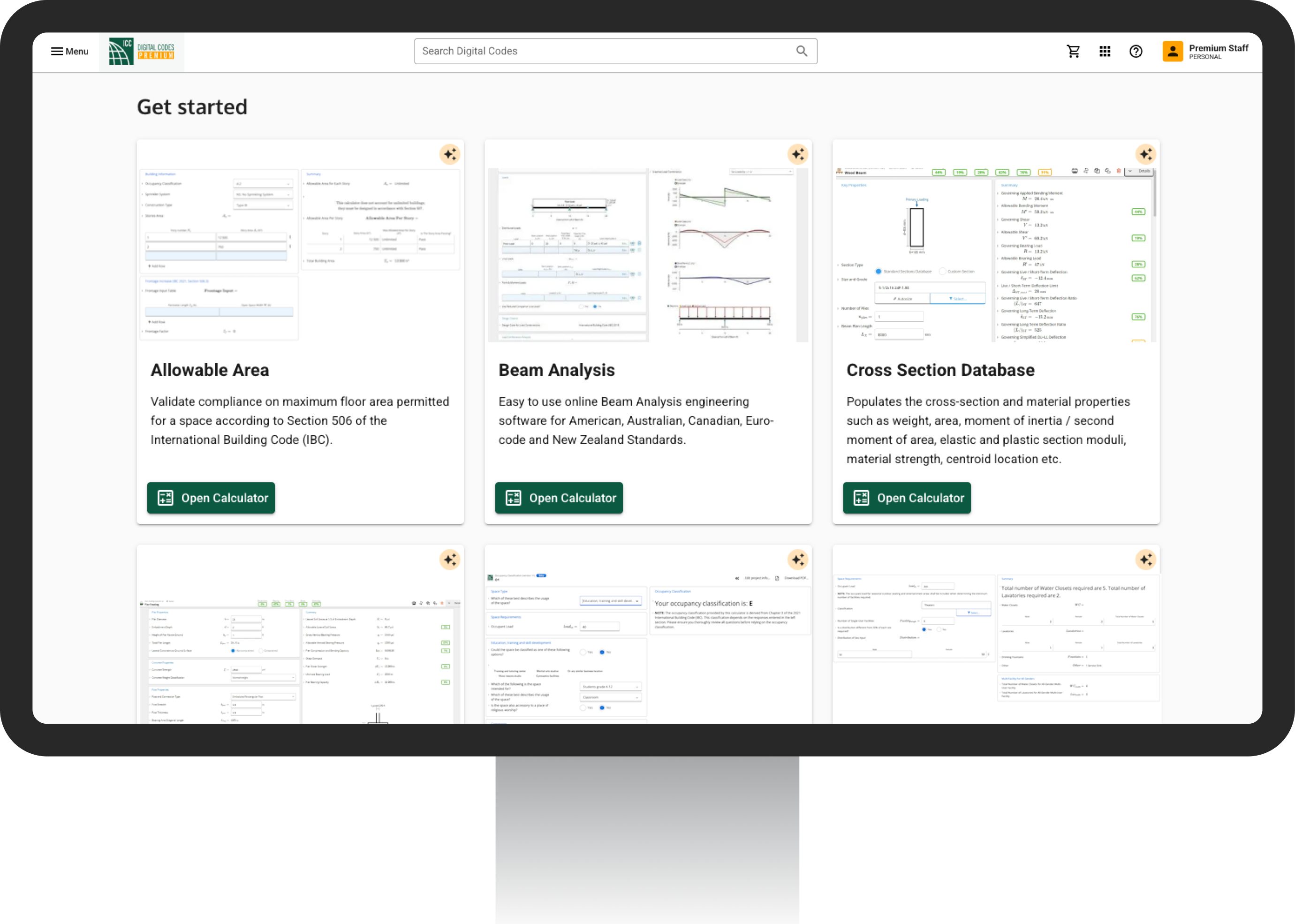
ICC embedded code requirements into interactive calculators within ICC Digital Codes, enabling faster checks for practitioners and more defensible compliance for jurisdictions and plan reviewers.
Where your standards would be embedded
Calculators already referencing standards inline.
Design professionals using Calcs.com every month.
Design projects run annually on Calcs.com.
“I like that Calcs.com shows the code reference section for each calculation. That means every time I use it, there's a potential for me to do some additional research and further deepen my understanding of the codes and how they affect design.”
Jim Fanjoy
Principal Architect, Brittell Architecture
Trust & quality
Standards authority depends on correct application, not just publication
A standard only protects its authority when it is applied accurately in real projects. When engineers work around it, not because they intend to, but because it is easier to reach for a familiar spreadsheet, the official standard loses ground in practice.
Calcs.com makes the official standard the most accessible path. That reinforces your authority at the moment it matters most.
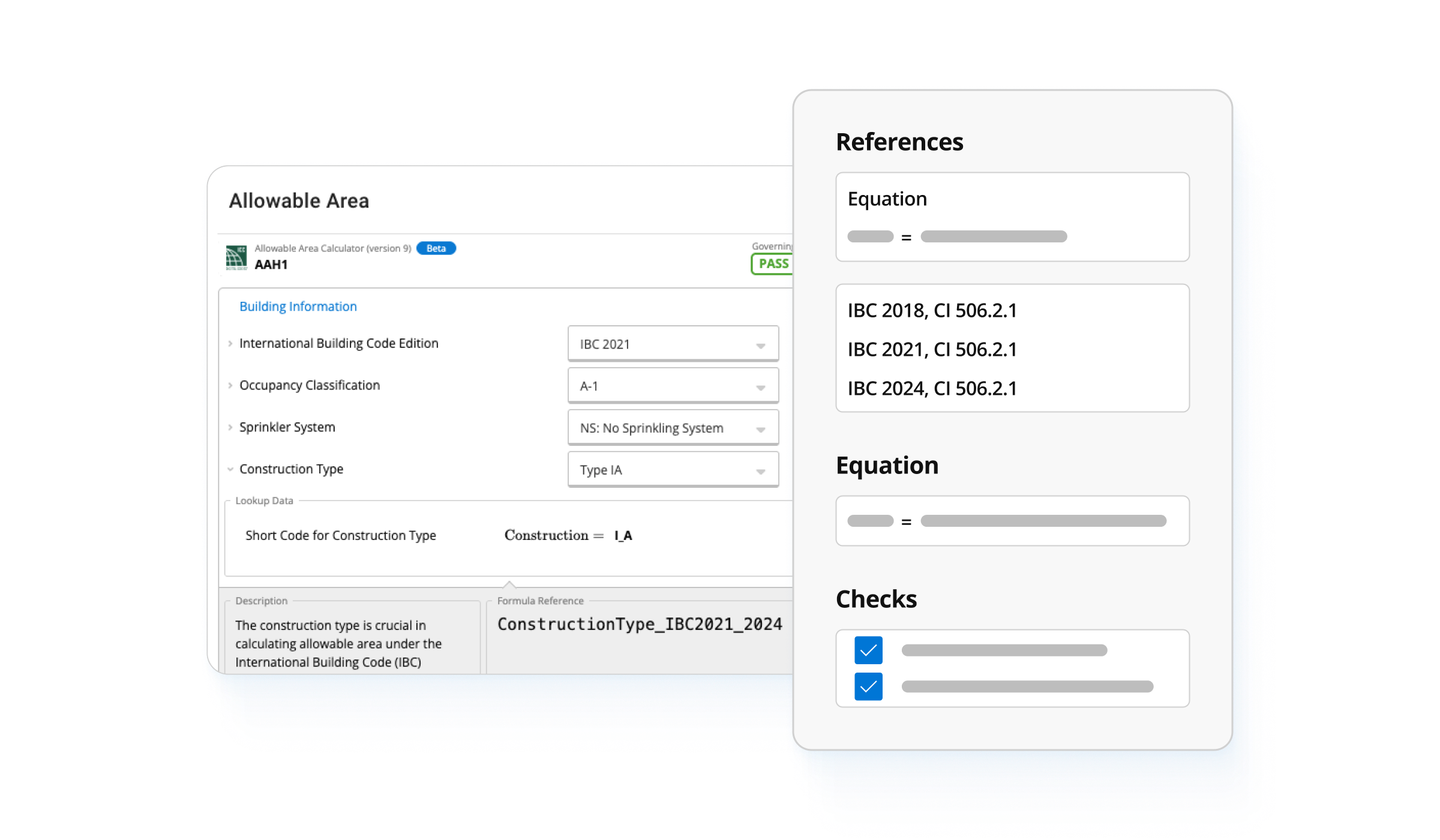
Authoritative
Official clauses are cited in context, inside working calculations, not summarized alongside them.
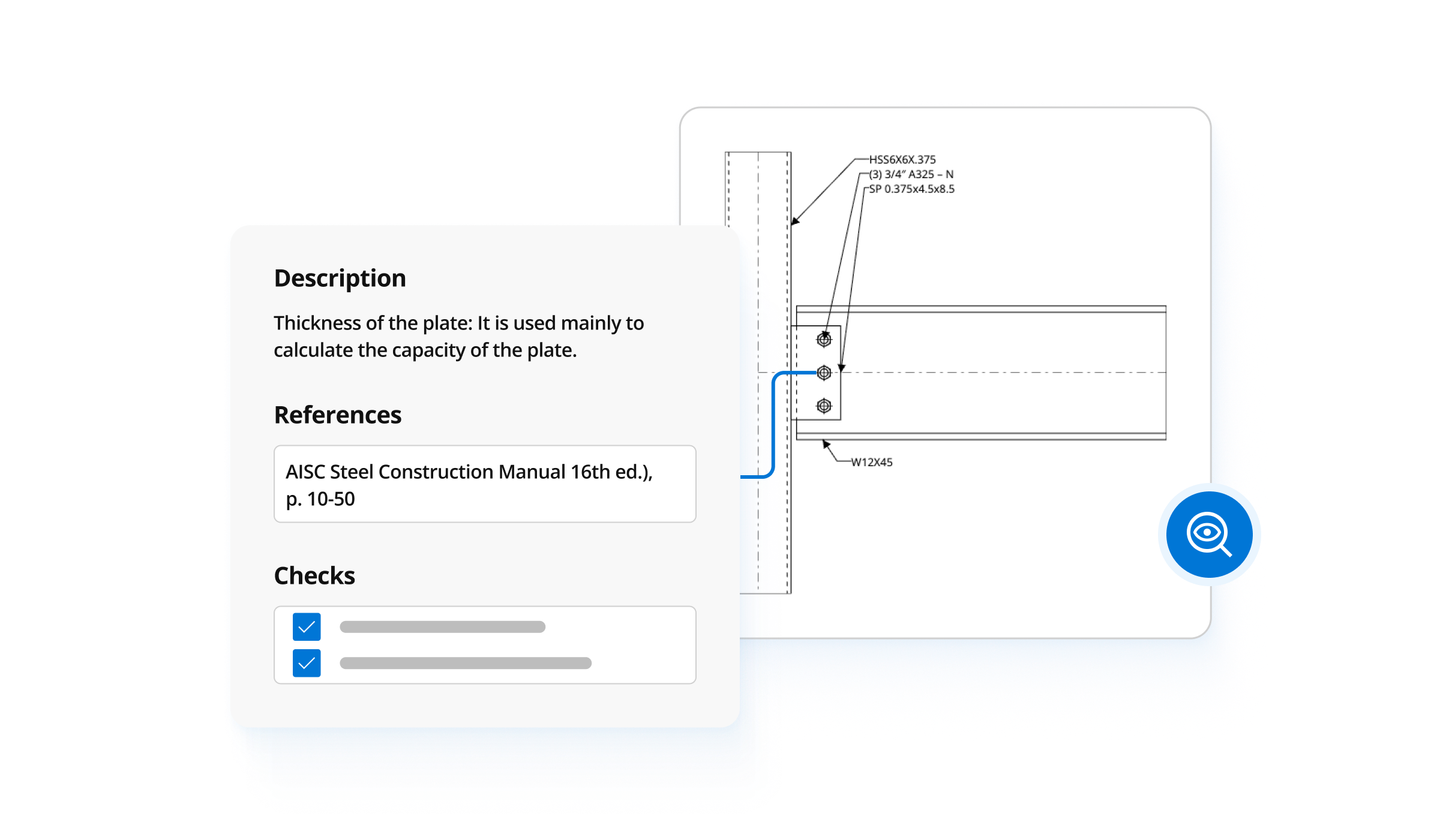
Traceable
Every calculation links back to the source standard. Engineers can show exactly what was applied and why.
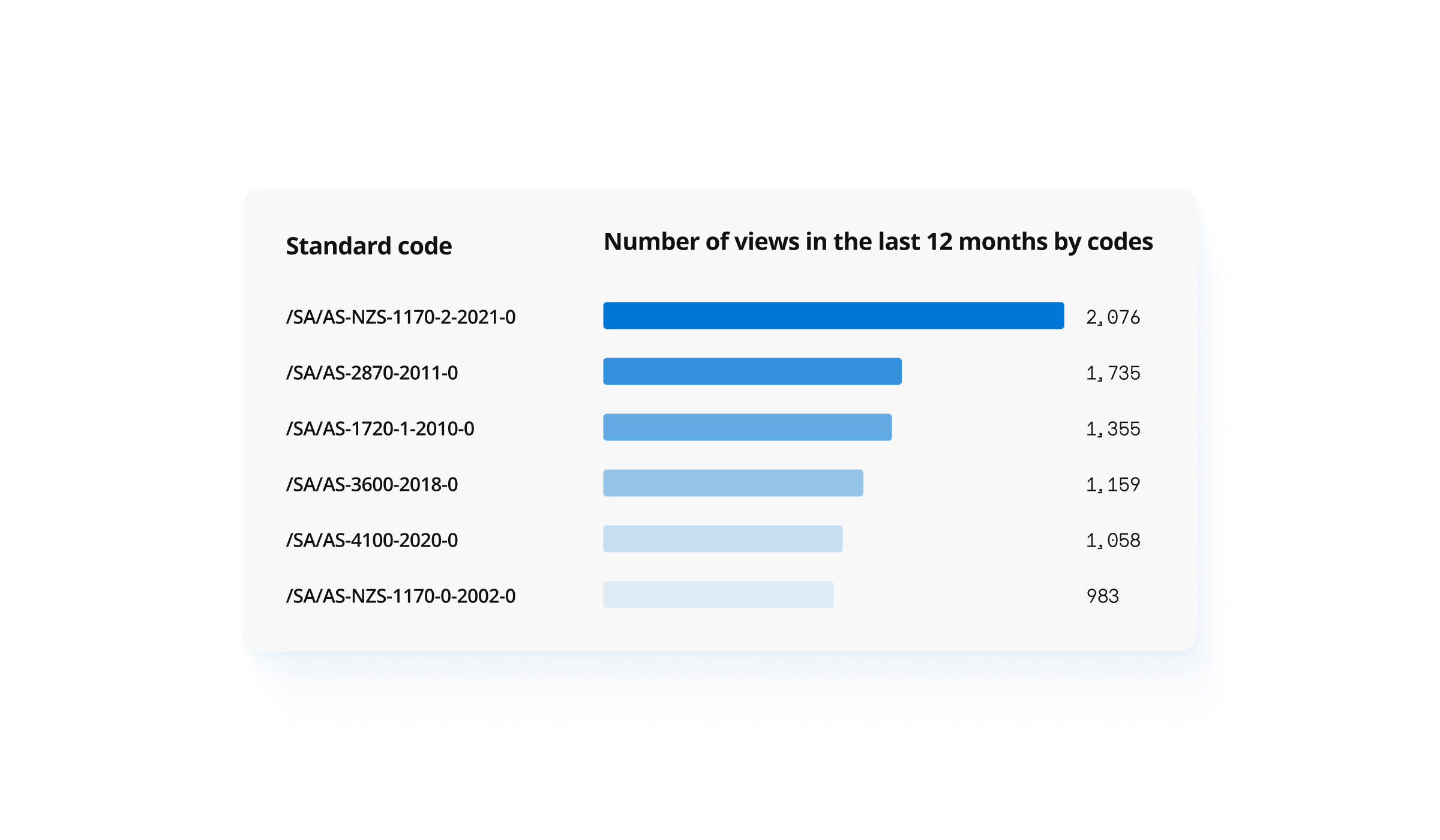
Measurable
Aggregated, anonymized data shows where your standard is used, where engineers encounter friction, and which clauses drive the most questions.
Frequently asked questions
Are you replacing the standard?
Are you interpreting ambiguous clauses?
Why does this matter with AI entering engineering workflows?
Can you work with our existing digital platform?
Keep standards authoritative where decisions are made
The starting point is straightforward. We map which of your standards are most relevant to the calculations engineers already use on Calcs.com. We show you how they appear in context and identify where a governed calculator would have the most impact.
- Identify which standards and clauses to embed first
- Review how they appear inside live calculations
- Build governed calculators where correct application has the highest value
Talk with our team about embedding your standards in working calculations
Trusted by standards development organisations